Gemstone Guide
Gemstone Guide
With over 11 years spent studying and handling thousands of gemstones, few stones capture my attention quite like garnet. It is far more than a January birthstone — it is a gem that has adorned royalty, protected warriors, and inspired legends across cultures for millennia. Whether you are shopping for your first garnet ring or simply looking to deepen your knowledge of colored gemstones, this guide covers everything worth knowing.
Garnet is not a single stone. It is a group of silicate minerals sharing the same crystal structure but with different chemical compositions — which is exactly why it comes in such a remarkable range of colors. The name traces back to the Latin granatus, meaning "seed-like," because small garnet crystals so closely resemble pomegranate seeds in shape and color.
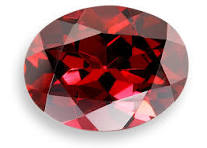
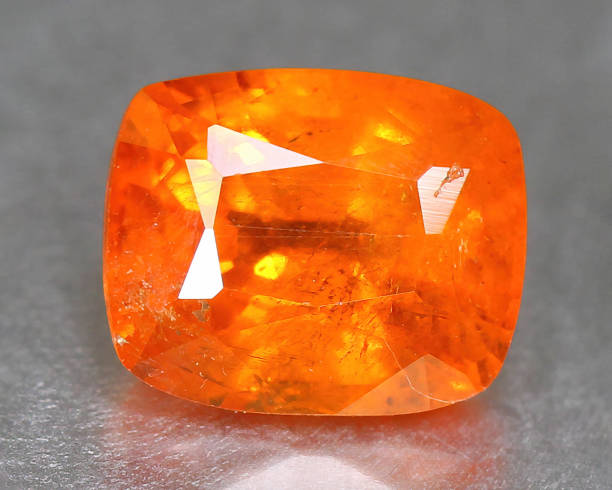
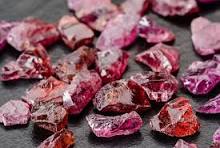
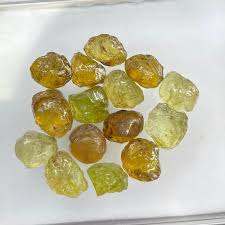
The most commercially familiar type is almandine garnet, that deep, rich red most people picture when they hear the name. But garnets actually occur in almost every color the spectrum has to offer — fiery orange, raspberry pink, vivid green, golden yellow, and even rare color-changing varieties. The one color garnet famously cannot produce is blue.
Garnet has been prized since the Bronze Age, making it one of the oldest gem materials in human use. Ancient Egyptians set them as beads in burial jewelry, believing they carried protective power into the afterlife. Roman soldiers carved garnet intaglios and wore them into battle, convinced the stone guaranteed victory and kept wounds from bleeding.
Through the medieval period, garnet was thought to cure fever and depression, ward off poison, and even lift nightmares. By the Victorian era, Bohemian garnet jewelry — small, closely clustered red stones set in silver — had become one of the most fashionable accessories across Europe, and pieces from that era remain highly collectible today.
Did you know? Bohemian garnets from the Czech Republic were so prized in Victorian England that entire cottage industries formed around cutting and setting them. Authentic antique Bohemian garnet pieces are now sought-after collector's items in their own right.
This is where garnet truly surprises people. Most buyers have only ever seen the red varieties, but the family is extraordinarily diverse. Here are the types every gem lover should know:
Garnet scores between 6.5 and 7.5 on the Mohs hardness scale, which puts it firmly in the practical range for everyday jewelry — rings, earrings, pendants, and bracelets included. One particularly useful property is that garnet has no cleavage, meaning it resists splitting along flat planes. This gives it an advantage over gems like emerald, which can be fragile despite their hardness.
Beyond durability, garnet's optical properties are genuinely impressive. It has a high refractive index, which produces strong brilliance, and many varieties display exceptional luster. Fine specimens in green or orange can be breathtaking under direct light.
Key properties at a glance:
Hardness: 6.5–7.5 Mohs | Cleavage: None | Luster: Vitreous to resinous | Transparency: Transparent to opaque depending on variety
Among all garnet varieties, tsavorite deserves special mention. Discovered in the 1960s near the Tsavo National Park on the Kenya-Tanzania border, this vivid green garnet stunned gemologists immediately. The color ranges from a bright, slightly yellowish green to a deep, saturated pure green — and unlike emerald, tsavorite is typically eye-clean without the need for clarity enhancement.
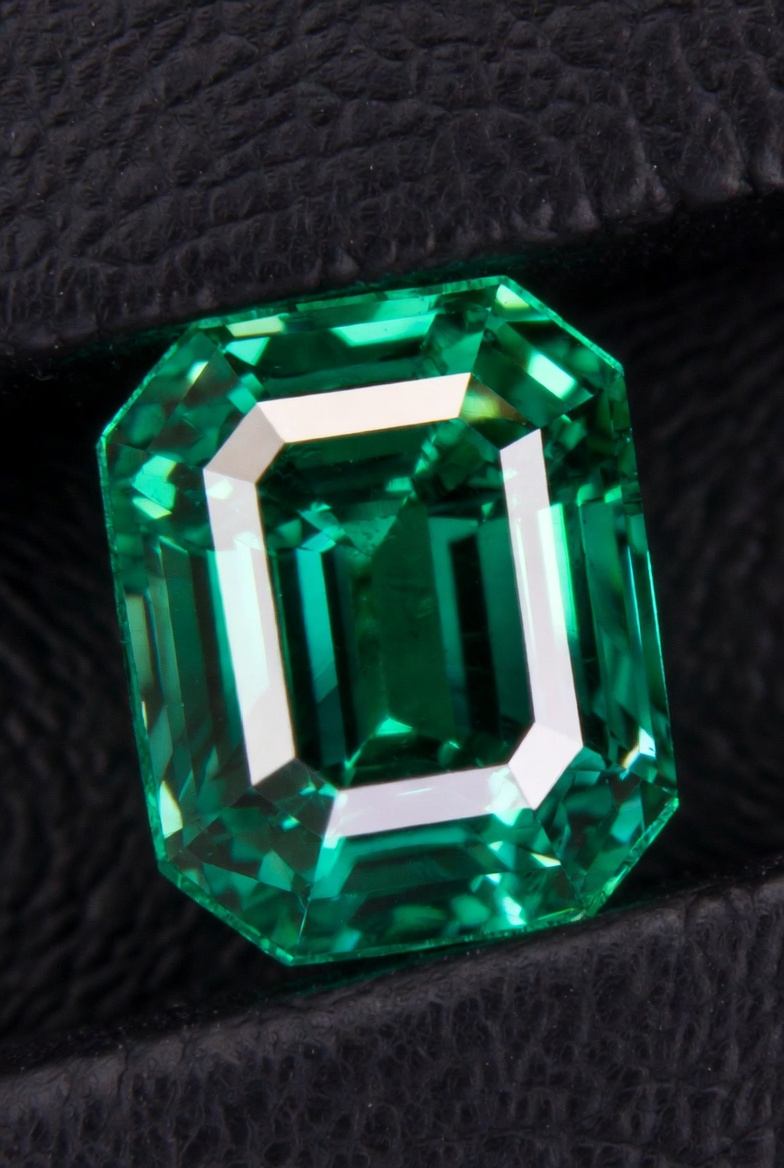
Fine tsavorite is rarer than fine emerald and can command comparable prices at the top end. For buyers who love green gems, it offers a compelling combination: intense color, excellent durability, natural clarity, and often greater brilliance than emerald. If you have never considered tsavorite, this is the moment to start.
One of garnet's great strengths as a jewelry stone is value. Fine quality garnets are substantially more affordable than rubies or emeralds of comparable color and size, which means you can own a genuinely beautiful, significant gemstone without the price point of the "big three."
Popular styles include solitaire red garnet rings in both vintage and contemporary settings, rhodolite earrings and pendants (the pink-purple tone photographs beautifully), tsavorite studs and tennis bracelets, and antique Bohemian garnet pieces for those drawn to history. Garnet's January birthstone status also makes it a deeply personal gift — meaningful without being generic.
When you are ready to purchase, these are the factors that matter most:
| Factor | What to Look For |
|---|---|
| Color | The single most important quality factor. Look for rich, even, saturated color without unwanted brown or grey tones. |
| Clarity | Eye-clean stones are preferred in red and green varieties. Demantoid naturally contains horsetail inclusions that actually authenticate it. |
| Cut | Well-proportioned cuts that reflect light evenly across the face of the stone. Avoid stones that are windowed or overly dark in the center. |
| Origin | Tsavorite from Kenya or Tanzania and demantoid from Namibia or Russia carry recognized premiums. Origin matters more for rare varieties. |
| Certification | For higher-value pieces — particularly tsavorite, demantoid, or color-change garnet — ask for a gemological lab report. |
Always buy from a dealer who can provide gemological details and answer your questions directly. Reputable sellers are transparent about origin, treatments (garnets are typically untreated, which is a significant advantage), and value.
Garnet is relatively low-maintenance, which makes it an excellent choice for stones you actually want to wear. A few simple habits will keep it looking its best for generations:
"Garnet is one of the very few gemstones that offers history, beauty, durability, variety, and genuine value — all in the same stone."
Garnet rewards those who take the time to understand it. On the surface it looks like a simple, traditional red gemstone. Look closer and you find an entire world — rare collector's green stones that rival the finest emeralds, electric orange spessartines from West Africa, raspberry rhodolites that photograph like a dream, and demantoids with fire that outshines diamond.
If you are building a colored stone collection and are not sure where to start with garnet, I would recommend beginning with either a rhodolite or a tsavorite. Both offer outstanding color and clarity at accessible price points, and both demonstrate clearly why this ancient gem has never gone out of fashion.
Have a question about a specific garnet variety or want guidance on a particular stone? Feel free to reach out — as a gemologist, I am always happy to help fellow enthusiasts make well-informed choices.
Interested in adding garnet to your collection? Browse our current selection of natural garnets and fine colored gemstones.
View Our Collection