Kashmir sapphires are considered the most prized blue sapphires on earth, due to its velvety "cornflower" blue color unlike any other sapphire origin. Because genuine Kashmir sapphires stopped being mined in significant quantities over a century ago, so that is why they become exceptionally rare — and unfortunately, that rarity has made them a target for mislabeling and fraud. Knowing how to identify a real Kashmir sapphire can protect you from paying a premium for a stone that normally people claims to be but they are not.
The "Velvety" Cornflower Blue Color
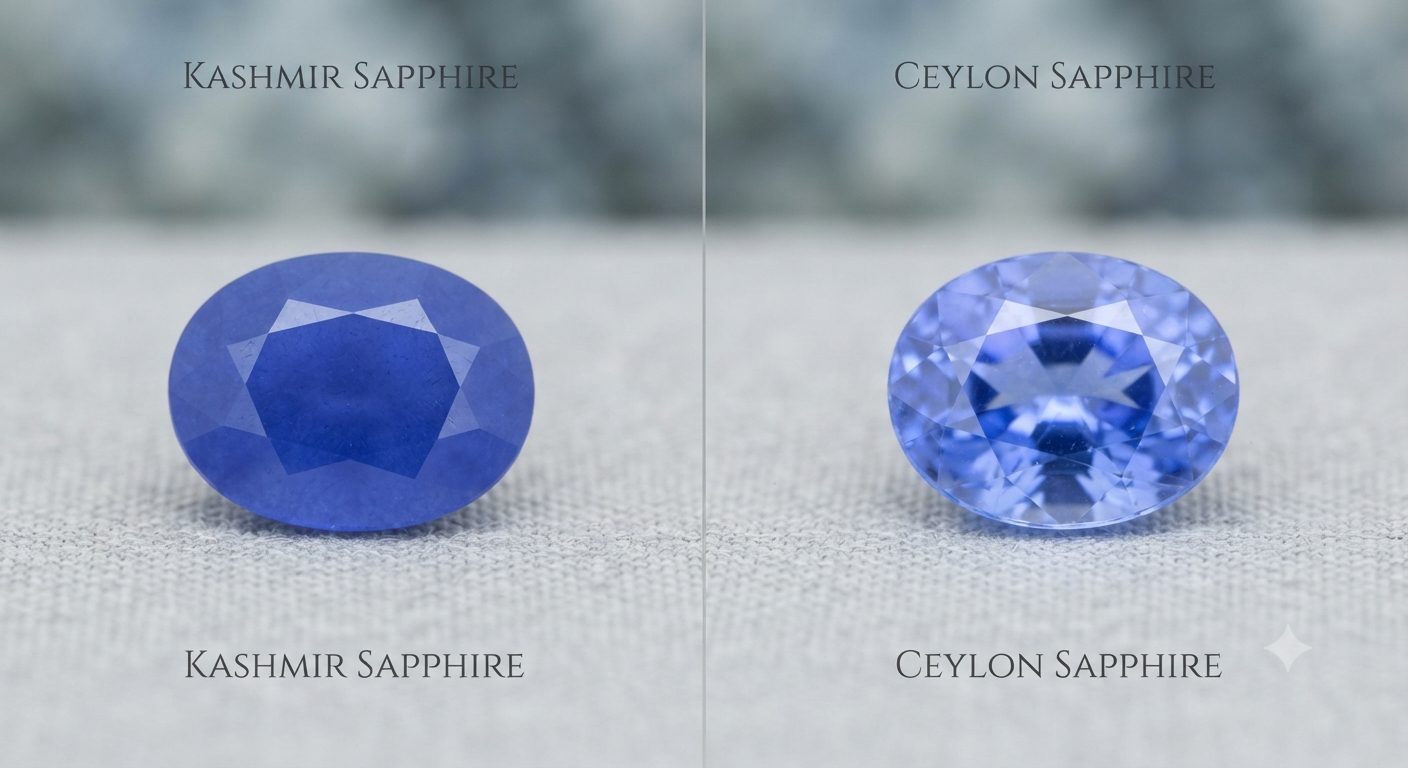
The single most difference between a genuine Kashmir sapphire vs other is its color — often described as a "velvety" blue that seems to glow from within, rather than the more transparent, vivid blue seen in Ceylon or Burmese stones. This effect comes from tiny particles inside the stone that scatter light. They make it softer and less see-through without turning it cloudy. A Kashmir sapphire's blue is neither too dark nor too pale — it sits in a narrow, highly specific range that gemologists can usually recognize on sight.
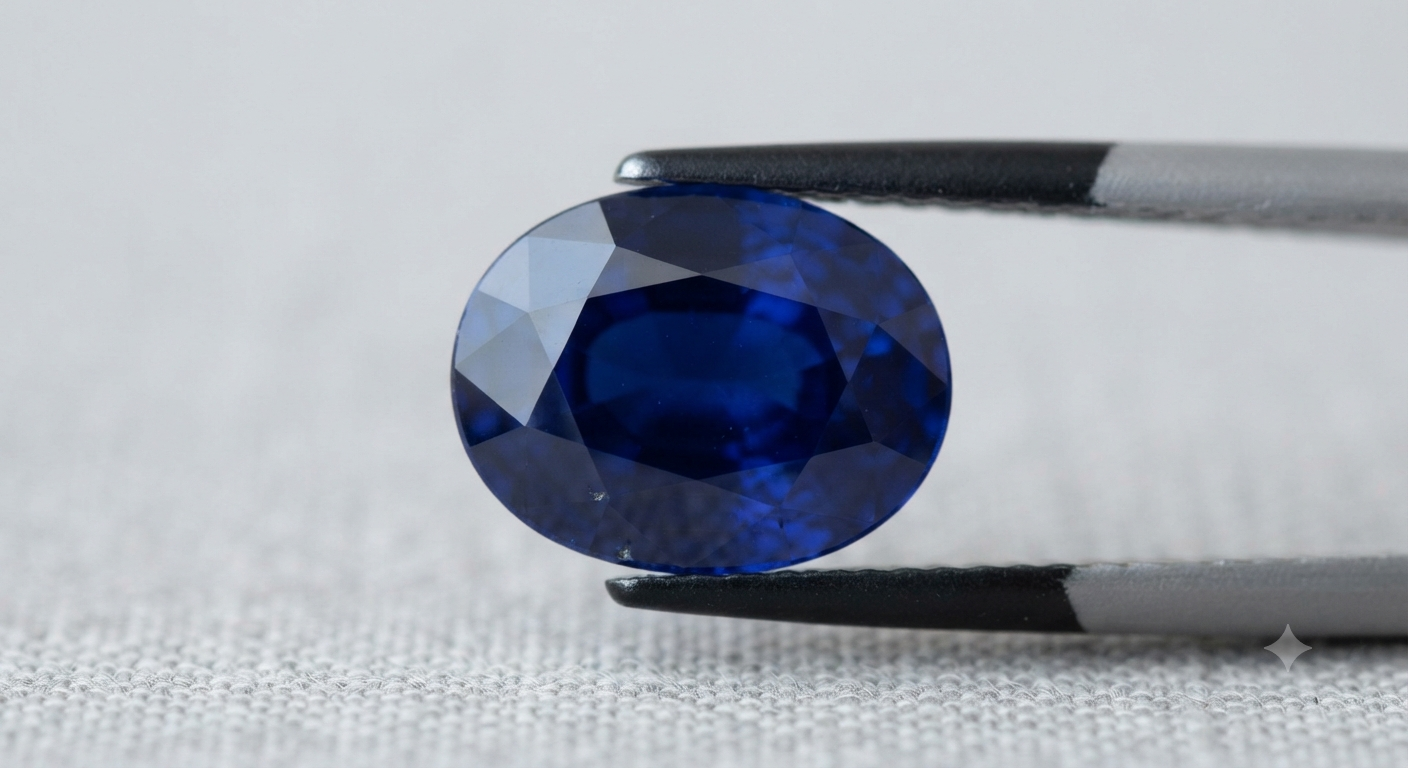
Silk Inclusions Under Magnification
Under a loupe or microscope, genuine Kashmir sapphires typically show fine, needle-like rutile inclusions known as "silk." This silk is what scatters light and produces the velvety effect described above. The pattern and density of this silk, combined with other microscopic growth features, are part of what gemological labs examine when determining origin.
Independent Lab Certification
Because so much is at stake with Kashmir sapphires, no purchase should be made without an independent certificate of origin from a recognized gemological laboratory. A proper certificate should state the origin as "Kashmir" specifically — not simply "sapphire" or "natural sapphire" — along with treatment status (most fine Kashmir sapphires are untreated). Always verify the certificate number directly with the issuing lab's website, and be cautious of certificates that cannot be independently verified.
Conclusion
Identifying a real Kashmir sapphire comes down to four things: the unmistakable velvety blue color, visible silk inclusions under magnification, a verifiable independent lab certificate stating Kashmir origin, and a price that reflects genuine rarity. When in doubt, always buy from a source willing to provide certification and stand behind the stone's origin.
Questions Readers Often Ask
Can I tell if a sapphire is Kashmir just by looking at it, without a lab report?
Honestly, no — not with full confidence. Even experienced gem dealers won't make that call on sight alone. The velvety blue color is a strong clue, sure, and it's usually the first thing that makes someone suspect a stone might be Kashmir. But there are sapphires from other origins that can look close to it, especially in photos or under certain lighting. The only way to actually know is a proper lab report from a place that specializes in origin determination.
Why are Kashmir sapphires so much more expensive than other blue sapphires?
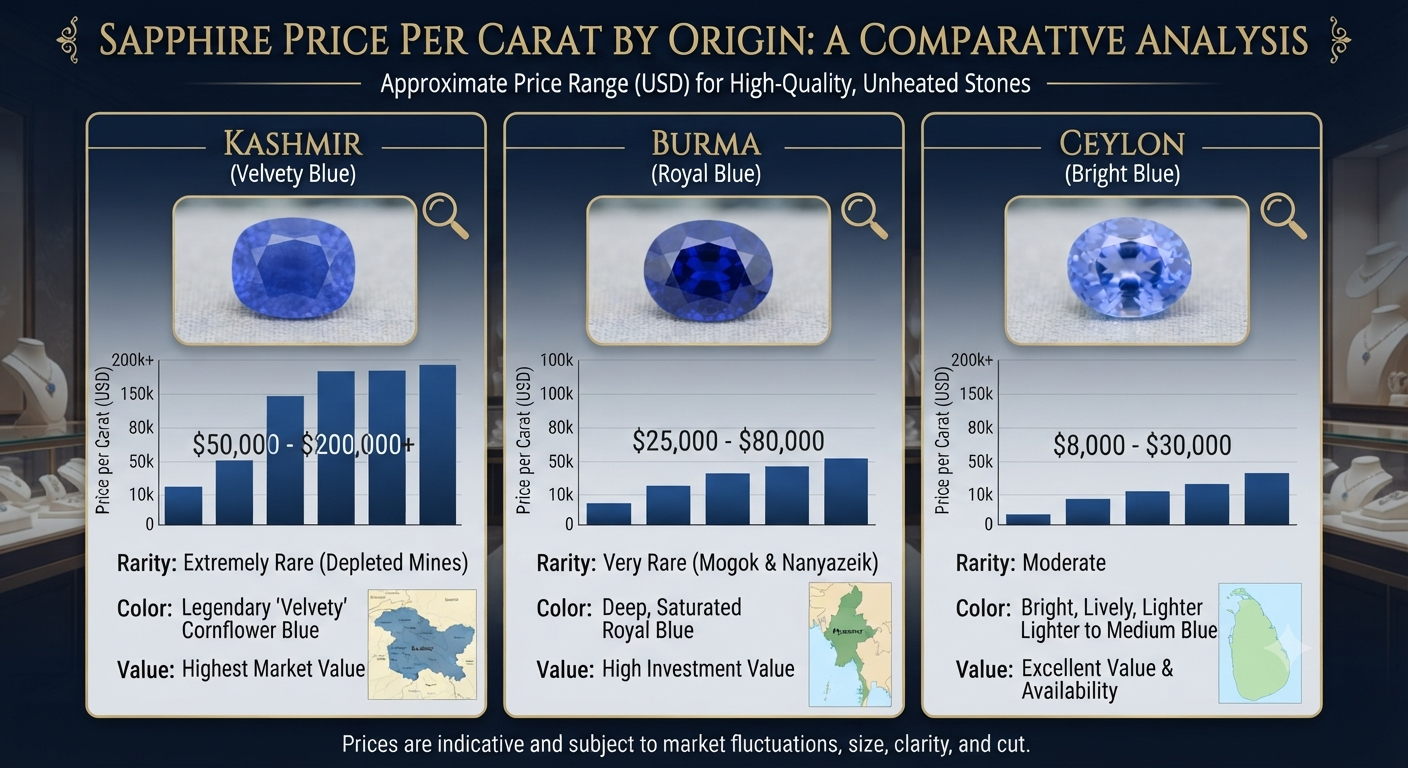
Mostly it comes down to supply. The original Kashmir mines were only actively worked for a short window, roughly the 1880s through early 1900s, and they're pretty much tapped out now. So every genuine Kashmir sapphire on the market today is old material , but in recent past sapphire from Pakistan contain the same DNA as of old Kashmir Sapphire so that i why GIA issue certificate of these sapphire as Kashmir
I already bought a sapphire labeled "Kashmir" — how do I check if it's real?
First thing, look at the paperwork. Does it come from a recognized gem lab, and does it actually say "Kashmir" as the origin — not just "natural sapphire" or "blue sapphire"? A lot of vague certificates get passed off as proof when they don't say much at all. If there's a certificate number, go to the lab's own website and search it yourself rather than trusting a photo or PDF someone sent you. If you don't have documentation at all, your best move is getting the stone reexamined by an independent lab before you assume anything either way.
Interested in our gemstones?
View Our Collection →