Gem Guide
Kashmir Sapphire vs Ceylon Sapphire
July 05, 2026 · By AA Gems & Jewelry, Gemologists, Multan
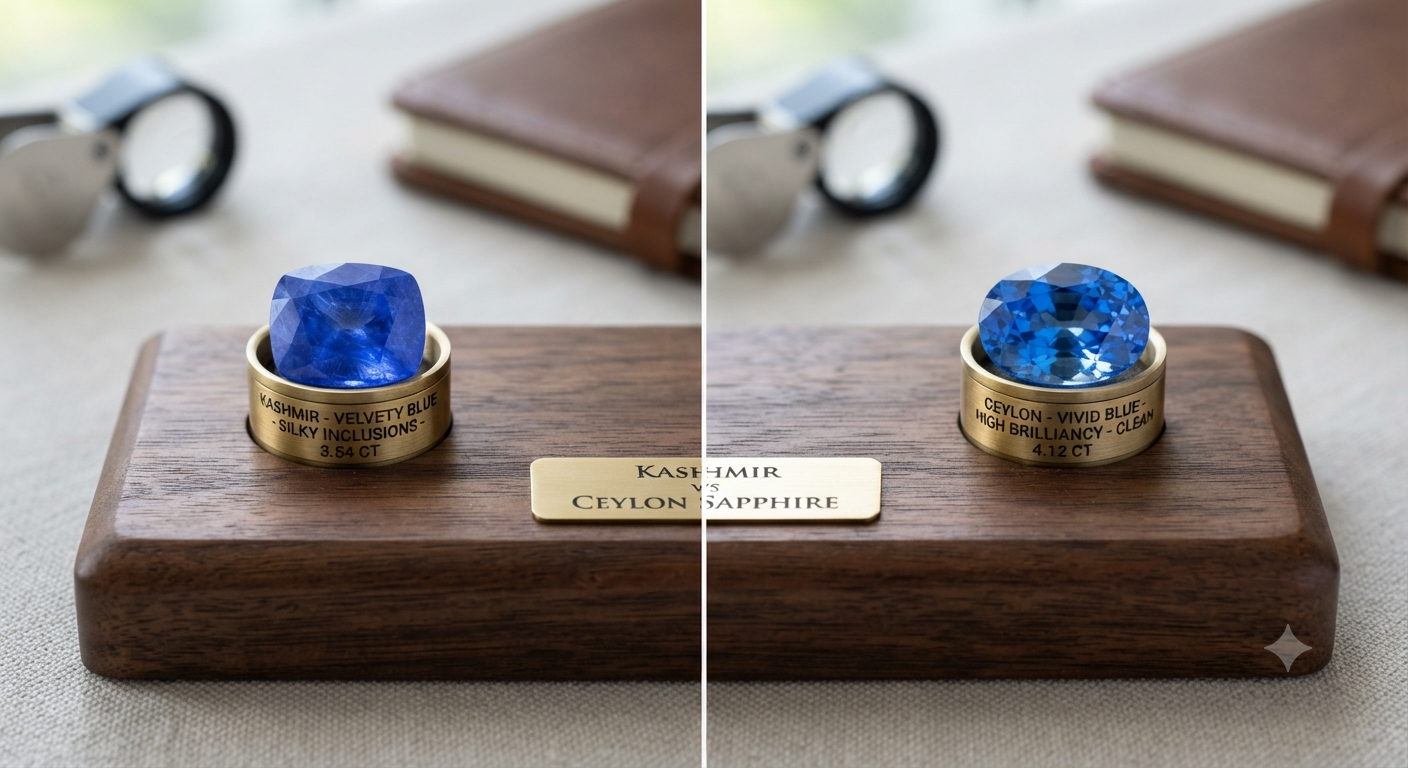
Two names dominate every serious sapphire conversation: Kashmir and Ceylon. One is the rarest blue stone on earth. The other is the most beloved. Both are extraordinary — but they are fundamentally different gems, and understanding that difference is the first step toward buying wisely.
| Feature | Kashmir Sapphire | Ceylon Sapphire |
|---|---|---|
| Origin | Himalayas, Kashmir (Pakistan/India border region) | Sri Lanka (formerly Ceylon) |
| Blue Tone | Deep cornflower blue — velvety, sleepy, saturated | Light to medium blue — bright, vivid, transparent |
| Clarity | Silky inclusions create the famous velvet effect | High clarity, often eye-clean |
| Rarity | Extremely rare — mines essentially inactive since 1930s | Rare but actively mined — more available |
| Price Range | $3,000 – $25,000+ per carat (fine quality) | $300 – $3,000 per carat (fine quality) |
| Certificate | GRS, Gübelin, SSEF — all must confirm Kashmir origin | GIA, GRS, or reputable lab — Sri Lanka origin confirmed |
| Best For | Investment-grade collectors, high jewellery | Fine jewellery, engagement rings, daily wear |
The story of these two sapphires begins thousands of metres apart — one in the high Himalayan peaks, one in the ancient river gravels of a tropical island. Origin is not just a label. It is the single most important factor that separates a Kashmir sapphire from every other blue stone on earth.
Kashmir sapphires were first discovered in the 1880s in the Zanskar Range of the Himalayas, at altitudes above 4,500 metres. The deposit sits in a remote mountain valley that was almost completely worked out by the 1930s. Since then, the mines have seen only sporadic, small-scale activity. The total global supply of fine Kashmir sapphires is finite — no new significant deposits have been found. Every Kashmir sapphire in existence today was pulled from those mountains over a century ago.
Ceylon sapphires come from Sri Lanka, an island nation once known as Ceylon to colonial traders who prized its gemstones. The Ratnapura district — whose name literally means "City of Gems" in Sinhala — has been producing sapphires for over 2,000 years. Unlike Kashmir, Sri Lanka is still actively mined today. The alluvial deposits yield a wide range of sapphire colours: blue, pink, yellow, padparadscha, and the rare colour-change sapphire.
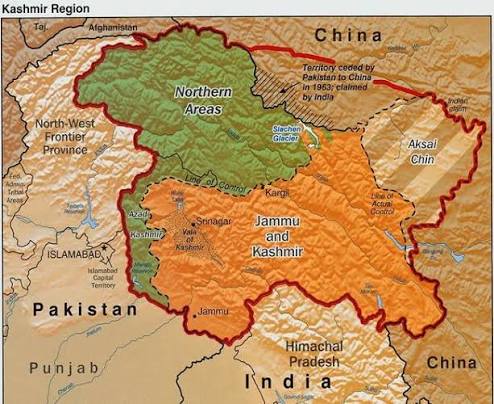
The practical consequence of this geography is supply. Kashmir sapphires cannot be restocked. Ceylon sapphires, while rare, are available in far greater quantities and in a much wider range of sizes and qualities. This fundamental supply difference drives everything — price, availability, and investment potential.
A note on Pakistan Kashmir sapphires: At AA Gems & Jewelry, our Kashmir sapphires come from the Pakistan side of the Kashmir region — the same Himalayan geological belt that produces the legendary stones. Each piece carries a laboratory certificate confirming Kashmir origin. These are not imitations or substitutes; they are the genuine article from one of the world's most storied gem-producing regions.
Ask any gemologist what makes a Kashmir sapphire unmistakable and they will use one word: velvet. The color is a deep, saturated cornflower blue — but it is the quality of that blue that sets Kashmir apart. Unlike most sapphires, which show their color more intensely under direct light, a Kashmir sapphire seems to hold its color in its own interior glow. It does not flash or sparkle aggressively. It radiates.
This quality comes from submicroscopic inclusions of fine silk — rutile needles so small they scatter light within the stone rather than bouncing it back sharply. In most gems, inclusions reduce value. In a Kashmir sapphire, the right inclusions create the velvety, sleepy quality that collectors pay extraordinary premiums to own.
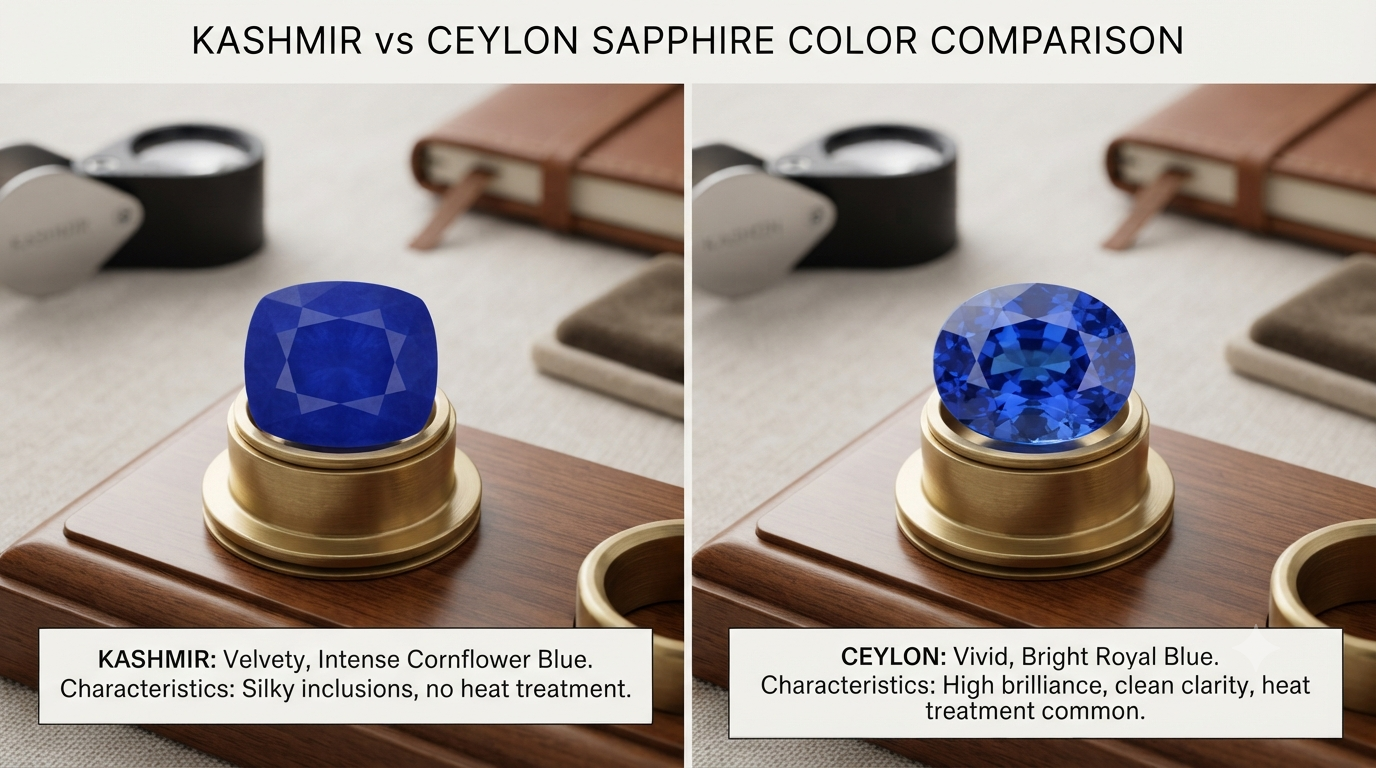
Ceylon sapphires have their own distinct beauty. Their blue ranges from a pale sky blue to a rich medium blue — generally lighter and more transparent than Kashmir. Where Kashmir sapphires are meditative and deep, Ceylon sapphires are bright and lively. Under direct light, a fine Ceylon sapphire sparkles with exceptional brilliance. This makes them highly sought after for jewellery, where the stone needs to perform under different lighting conditions.
The most prized Kashmir sapphires show a vivid to strong blue saturation with a slight violet secondary hue and the characteristic silky velvety effect. Stones that are too dark (inky) or too light lose significant value regardless of origin.
For Ceylon sapphires, the Royal Blue designation — a medium-dark, vivid blue with no grey or green secondary tone — commands the highest prices. Cornflower blue Ceylons (slightly lighter, pure blue) are also extremely desirable, particularly for engagement ring settings where brilliance is valued.
No comparison between Kashmir and Ceylon sapphires can ignore price. The difference is not marginal — it is generational. A 2-carat fine Kashmir sapphire with a GRS or Gübelin certificate confirming Kashmir origin can command $15,000 to $50,000 at auction. A comparable 2-carat fine Ceylon sapphire in Royal Blue might sell for $1,500 to $6,000. The premium for Kashmir origin alone can be 5x to 10x — sometimes more.
Why is Kashmir so expensive? Three reasons work together. First, finite supply — the mines are not producing meaningful quantities. Second, documented provenance — genuine Kashmir sapphires with reputable certificates are increasingly scarce in the market. Third, auction performance — Kashmir sapphires consistently set per-carat price records at Christie's, Sotheby's, and Bonhams, reinforcing collector demand globally.
Investment perspective: Fine Kashmir sapphires have appreciated significantly over the past three decades as supply tightens and demand from Asian collectors grows. They are considered one of the few coloured gemstones with genuine store-of-value characteristics — comparable in some respects to rare Burmese rubies and Colombian emeralds.
For most buyers, a fine Ceylon sapphire represents outstanding value. You receive a genuinely beautiful, certified natural sapphire from one of the world's great gem localities — at a price that allows you to actually wear and enjoy the stone.
At AA Gems & Jewelry, we source Kashmir sapphires directly from trusted dealers in the Pakistan Kashmir region. Every stone is independently certified. Browse our current available pieces:
No buyer should purchase a Kashmir sapphire — or pay a Kashmir premium — without an origin certificate from a top-tier independent laboratory. This is not optional. It is the only reliable way to confirm the stone genuinely comes from Kashmir rather than from another blue sapphire locality.
The three laboratories universally trusted by the trade for Kashmir origin determination are:
GRS (GemResearch Swisslab) — widely regarded as the gold standard for Kashmir sapphire certification. Their reports specify "Kashmir" as the geographic origin and often include a quality descriptor such as "Kashmir-type colour" or "top quality." GRS reports command a premium at auction.
Gübelin Gem Lab — one of the oldest independent gem labs in the world. Gübelin Kashmir reports are among the most respected documents in coloured stone trading.
SSEF (Swiss Gemmological Institute) — highly regarded particularly for sapphires and rubies. SSEF Kashmir certificates are accepted at all major auction houses.
For Ceylon sapphires, GIA (Gemological Institute of America), GRS, and Gübelin all confirm Sri Lanka origin reliably. GIA is widely recognised internationally and is often the preferred certificate for retail jewellery buyers.
Beyond certificates, experienced gemologists use several characteristics to identify Kashmir sapphires in the field. The velvety, sleepy quality is the first indicator — a slightly hazy, diffused appearance rather than the sharp transparency of most other sapphires. Under magnification, the silk inclusions appear as fine parallel needles, often in three directions following the crystal structure.
Kashmir sapphires also tend to show strong colour saturation that does not fade in different light sources — the blue remains consistent under daylight and incandescent light, unlike some sapphires that shift noticeably between lighting conditions.
Ceylon sapphires show excellent transparency, often with fewer inclusions visible to the naked eye. Many Ceylon sapphires show a slight colour change between daylight and incandescent light — becoming slightly more violet indoors. This is a natural characteristic, not a defect.
Our verification system: Every gemstone sold by AA Gems & Jewelry comes with a unique certificate number that can be verified on our Certificate Verification page. We believe in complete transparency — you should be able to confirm exactly what you are buying before any purchase decision.
The answer depends entirely on your purpose.
If you are buying a sapphire as an investment or as a collector's piece — and you have the budget — a certified Kashmir sapphire is unmatched. Its finite supply, documented provenance, and consistent auction performance make it one of the few coloured gemstones with genuine long-term appreciation potential. Buy the best quality you can afford with the strongest certificate available.
If you are buying a sapphire for fine jewellery, an engagement ring, or a gift — a fine Ceylon sapphire is an outstanding choice. You receive a genuinely beautiful natural stone with centuries of prestige behind it, certified from one of the world's great gem localities, at a price that allows you to enjoy it without anxiety. The brightness and brilliance of a fine Ceylon blue suits most jewellery settings beautifully.
And if you are drawn to something truly unique — consider our Kashmir colour-shift sapphire or Kashmir trapiche sapphire, which combine rarity of origin with extraordinary natural phenomena that no other gem can replicate.